Why Valentine’s Day Nights Fail (and What Actually Works Instead)
Valentine’s Day comes with expectations. You’re supposed to plan something meaningful. You’re supposed to pick the right place. You’re supposed to create a night that feels special rather than forced.
That pressure ruins more Valentine’s Day plans than people admit. Restaurants book out weeks ahead. Prix fixe menus lock you into courses you didn’t choose. Bars fill with couples performing romance instead of enjoying it.
By the time the night begins, the weight of expectation already sits between you. Valentine’s Day doesn’t fail because people stop caring. It fails because it asks too much from a single setting.
Why Valentine’s Day Nights Fail (and What Actually Works Instead)
Why Traditional Valentine’s Plans Fall Apart
The Hidden Problem: Valentine’s Day Forces Stillness
Why Valentine’s Day Needs Momentum
Why Valentine’s Day Should Feel Playful, Not Performative
Why Valentine’s Day Is About Shared Experience, Not Perfection
Why Moving Together Builds Connection Faster
Why Valentine’s Day Is Hard for New Relationships
Why Valentine’s Day Is Hard for Long-Term Couples Too
Why Valentine’s Day Nights Need Structure Without Rigidity
Why Valentine’s Day Should Include Micro-Moments
Why Drinking Should Support the Night, Not Lead It
Why Valentine’s Day Should Feel Inclusive, Not Exclusive
Why Valentine’s Day Memories Form Through Change
Why People Feel Relieved When Valentine’s Day Isn’t One Note
What Valentine’s Day Is Actually About
Looking for a Valentine’s Day That Feels Natural Instead of Forced?
Why Traditional Valentine’s Plans Fall Apart
Dinner-and-drinks nights rely on one venue to do everything. It has to feel intimate. It has to allow conversation. It has to last for hours. It has to justify the occasion. When something feels off, there’s nowhere to hide. The table feels smaller. Silence feels louder. Time stretches. You don’t relax because leaving feels like admitting failure.
The Hidden Problem: Valentine’s Day Forces Stillness
Romance gets framed as sitting across from someone and talking. That works when chemistry flows. It collapses when nerves show up. Stillness amplifies pressure. You notice pauses. You overthink responses. You wonder if the other person feels the same tension. Movement diffuses that pressure. When the night includes motion, conversation stops feeling like an interview and starts feeling like a shared experience.
Why Valentine’s Day Needs Momentum
Momentum gives the night permission to breathe. Walking, transitioning, and changing environments create natural breaks. You don’t need to fill every second with words. Silence stops feeling awkward. Each new stop resets energy. That reset matters on a night where expectations run high.
Why Valentine’s Day Should Feel Playful, Not Performative
Many couples fall into performance mode. You dress for photos. You choose spots that look romantic rather than feel comfortable. You worry about whether the night measures up. Playfulness disappears when performance takes over. Nights that feel playful invite laughter. They allow spontaneity. They give you room to react rather than plan. That’s where connection shows up.
Why Valentine’s Day Is About Shared Experience, Not Perfection
No one remembers the exact dish they ordered. They remember moments. A joke that landed. A wrong turn that turned funny. A conversation that deepened because the environment shifted. Shared experiences create emotional glue. Perfection creates distance. Valentine’s Day works better when the goal is participation rather than execution.
Why Moving Together Builds Connection Faster
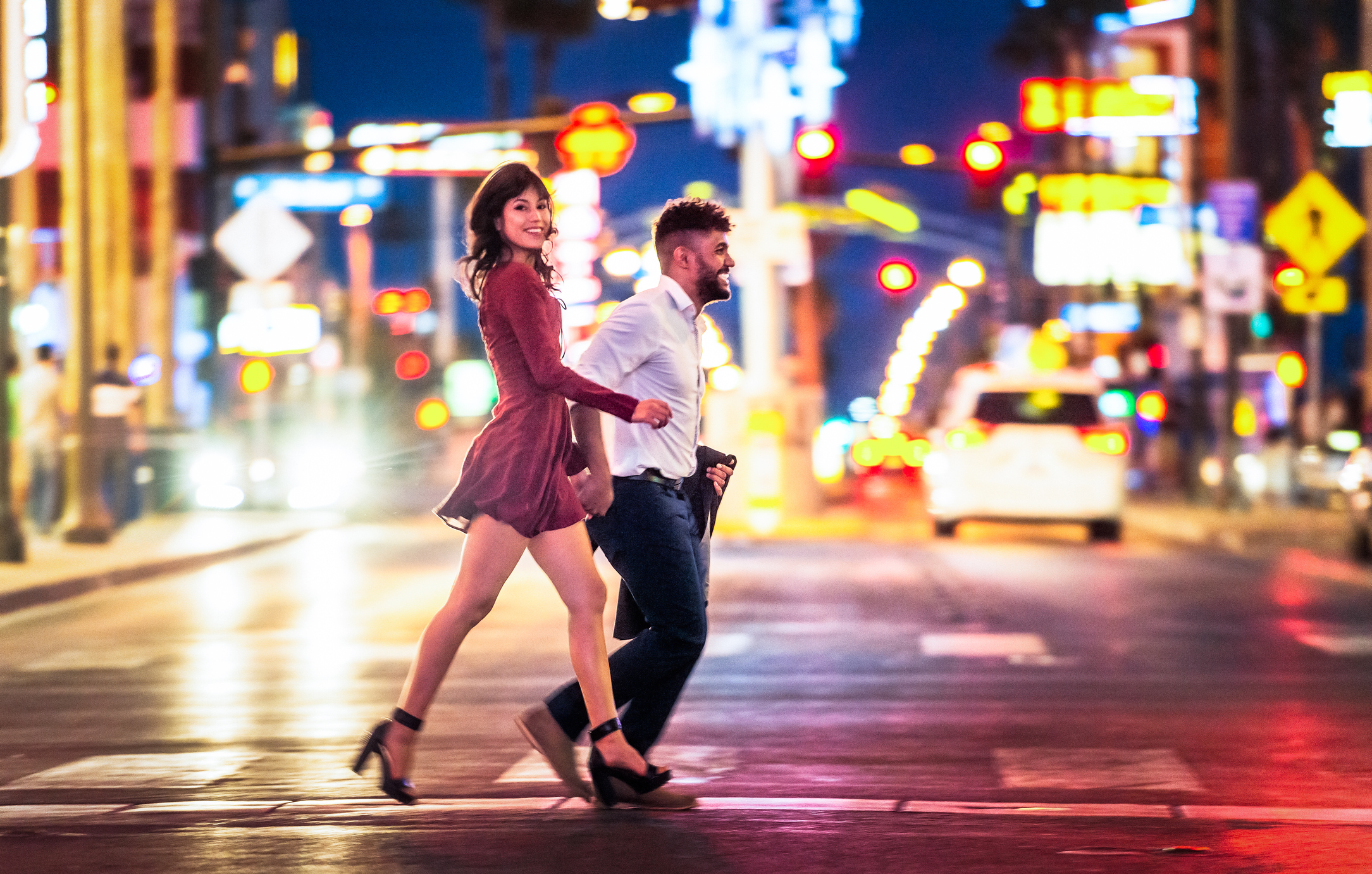
Walking side by side changes how you interact. You don’t stare at each other across a table. You react to the same surroundings. You notice the same details. Conversation flows because it has context. That side-by-side dynamic reduces pressure and increases comfort, which matters whether you’ve been together for years or just started dating.
Why Valentine’s Day Is Hard for New Relationships

New relationships carry uncertainty. You want to impress without overdoing it. You want romance without intensity. You want a connection without commitment overload. Single-location dates magnify that uncertainty. A night with movement softens it. You aren’t locked into one mood or one pace. The night unfolds rather than demands. That flexibility makes early Valentine’s dates feel natural instead of heavy.
Why Valentine’s Day Is Hard for Long-Term Couples Too
Long-term couples face a different problem. You’ve done dinner. You’ve done drinks. You’ve repeated the script. Valentine’s Day becomes an obligation rather than an excitement. Changing the format reintroduces novelty without forcing grand gestures. New settings trigger fresh conversations even with someone you know well.
Why Valentine’s Day Nights Need Structure Without Rigidity
Chaos kills romance. Control kills it too. You want a night with direction that still allows choice. Structure removes decision fatigue. Flexibility preserves autonomy. That balance keeps the focus on connection rather than logistics.
Why Valentine’s Day Should Include Micro-Moments
Big gestures look good on paper. Micro-moments stay with you. Laughing between stops. Holding hands while walking. Sharing reactions to new spaces. Those moments feel personal because they aren’t staged. Valentine’s Day works when the night gives space for those moments to appear.
Why Drinking Should Support the Night, Not Lead It
Alcohol doesn’t create connection. It amplifies what already exists. Pacing matters on Valentine’s Day. Overdoing it kills conversation and presence. Movement helps regulate that pace. Walking slows consumption. Transitions create natural pauses. Balance keeps the night intact.
Why Valentine’s Day Should Feel Inclusive, Not Exclusive
Romance doesn’t belong to one type of couple. Some people want quiet. Others want energy. Some want conversation. Others want atmosphere. A night that shifts environments allows romance to take different forms without judgment. You don’t have to fit a mold to enjoy the night.
Why Valentine’s Day Memories Form Through Change
Memory sharpens when environments change. You remember moments because they stand apart. Each shift becomes a marker. Nights that stay static blur. Valentine’s Day deserves memories that last longer than the reservation.
Why People Feel Relieved When Valentine’s Day Isn’t One Note
Relief is underrated in romance. Relief that the night flows. Relief that nothing feels forced. Relief that expectations loosen. When pressure drops, connection rises. That’s when Valentine’s Day becomes enjoyable rather than stressful.
What Valentine’s Day Is Actually About
It isn’t about proving anything. It’s about sharing time in a way that feels intentional without being rigid. It’s about moments that feel easy rather than impressive. It’s about leaving the night feeling closer than when you started.
Looking for a Valentine’s Day That Feels Natural Instead of Forced?
If you want a Valentine’s Day experience built around flow, shared moments, and connection without pressure, Worldcrawl Scottsdale offers curated bar crawl experiences designed for nights that feel effortless and memorable.
You show up together. The night unfolds naturally. The connection follows.
Explore upcoming Valentine’s Day crawls with Worldcrawl Scottsdale and celebrate without the stress.
